
Bibliotherapy and American Han
This is an old BBC piece pictured below: “‘It opened up something in me’: Why people are turning to blbliotherapy.” But this idea of “bibliotherapy” is older than that. It’s as old as, well, books — but modern thought allows people to pin a name on it.
I see bibliotherapy in 3.75 different ways.
They are:
1) Reading in and of itself is enjoyable to you so the act of simply opening or selecting a book is a baked-in stress-buster;
2) A book with beautiful/clever/surprising prose tweaks your brain + jolts you with its ability to make you feel grounded;
3a) A novel hits close to home, thematically, in a big overview kind of way and delights you with its keen insight. For me, an example is the novel Dayswork by Chris Bachelder and Jennifer Habel. This novel needs more attention, btw! It’s ostensibly about a woman’s literary obsession with Herman Melville, heightened during the pandemic. But I thought it a wildly accurate depiction of marriage. One of my faves of 2025.
3b) A novel that hits close to home, thematically, in a very specific and prescribed way. An example in this BBC piece is an actual bibliotherapist named Ella Berthoud “prescribing” novels featuring couples divorcing to a client going through a divorce. “Learning from the lessons and mistakes of fictional characters helped [the woman] process what she was going through and made her feel less alone.”
3c) A novel that hits close to home, thematically, in an emotional way. These books almost feel like self-help texts, and examples include The Alchemist (Paulo Coehlo) and The Midnight Library (Matt Haig).
Personally, I’m more of a 1-3a kind of gal.
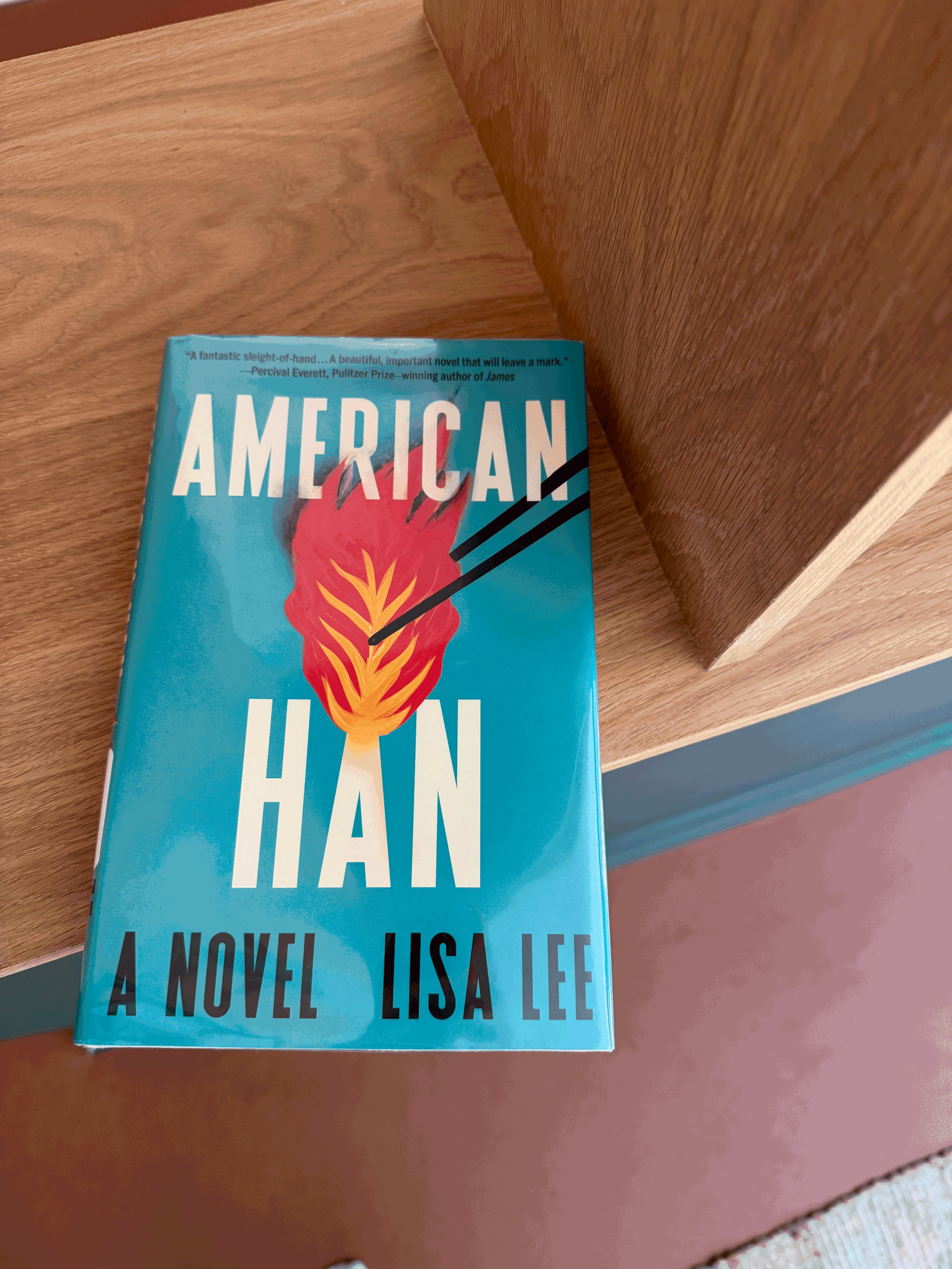
But I recently finished American Han by Lisa Lee, which addresses assimilation and how, at least in Lee’s novel, Korean and Korean-American ideas of gender roles can have tragic consequences. American Han is a 3b + 3c novel. (New rubric alert?) In fact, much of the prose was so “tell” instead of “show” that it felt like Lee was using the novel as her own bibliotherapy because the narrator, Jane, spends a ton of time internally verbalizing her “revelations” almost as if she were journaling.
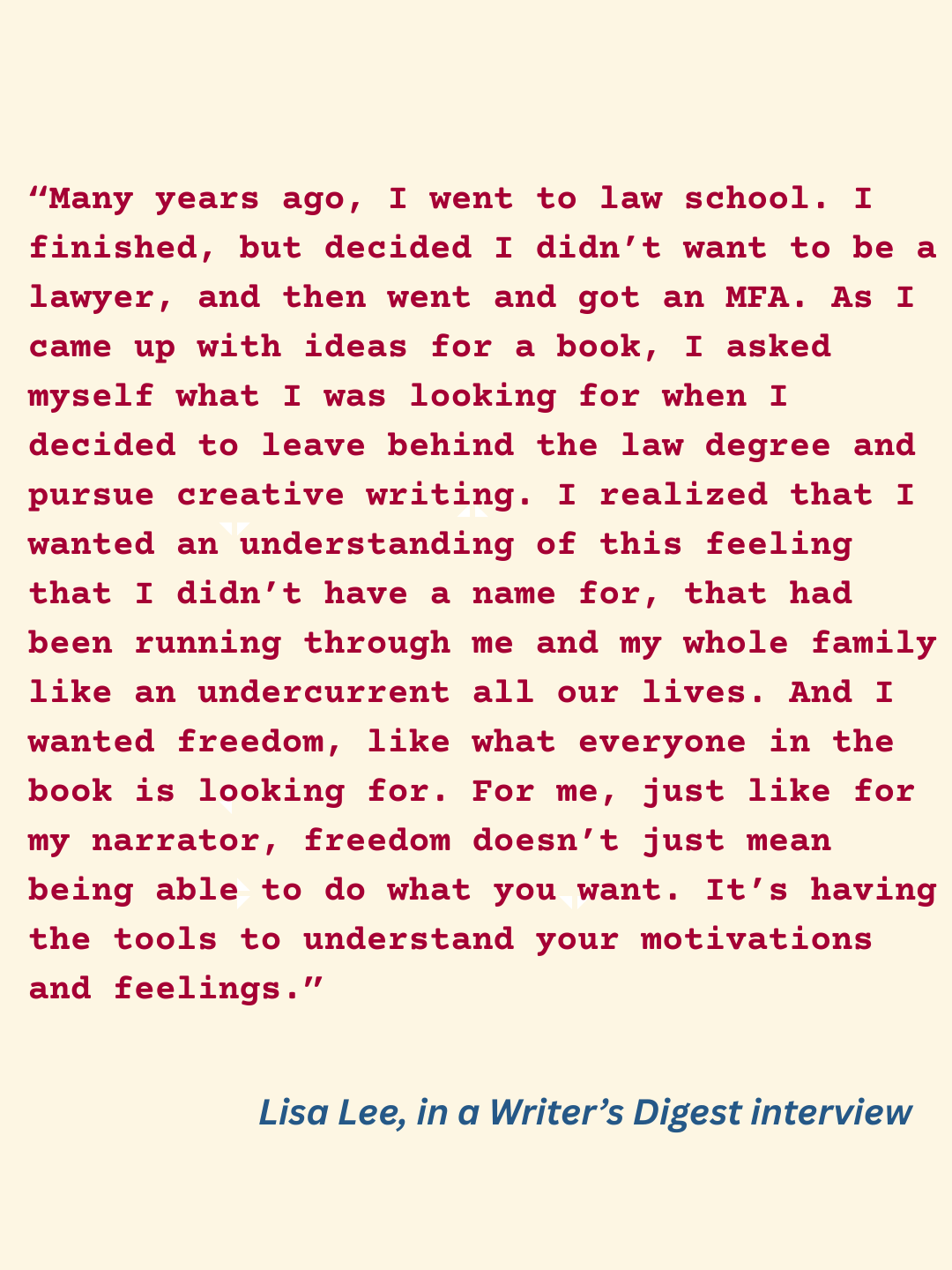
I imagine many novelists can relate to Lee’s response (pic below), but this one was a bit too didactic for me.
Signed, Team 1-3a
originally published on instagram