
Sentimental Value and Buildings as Archives
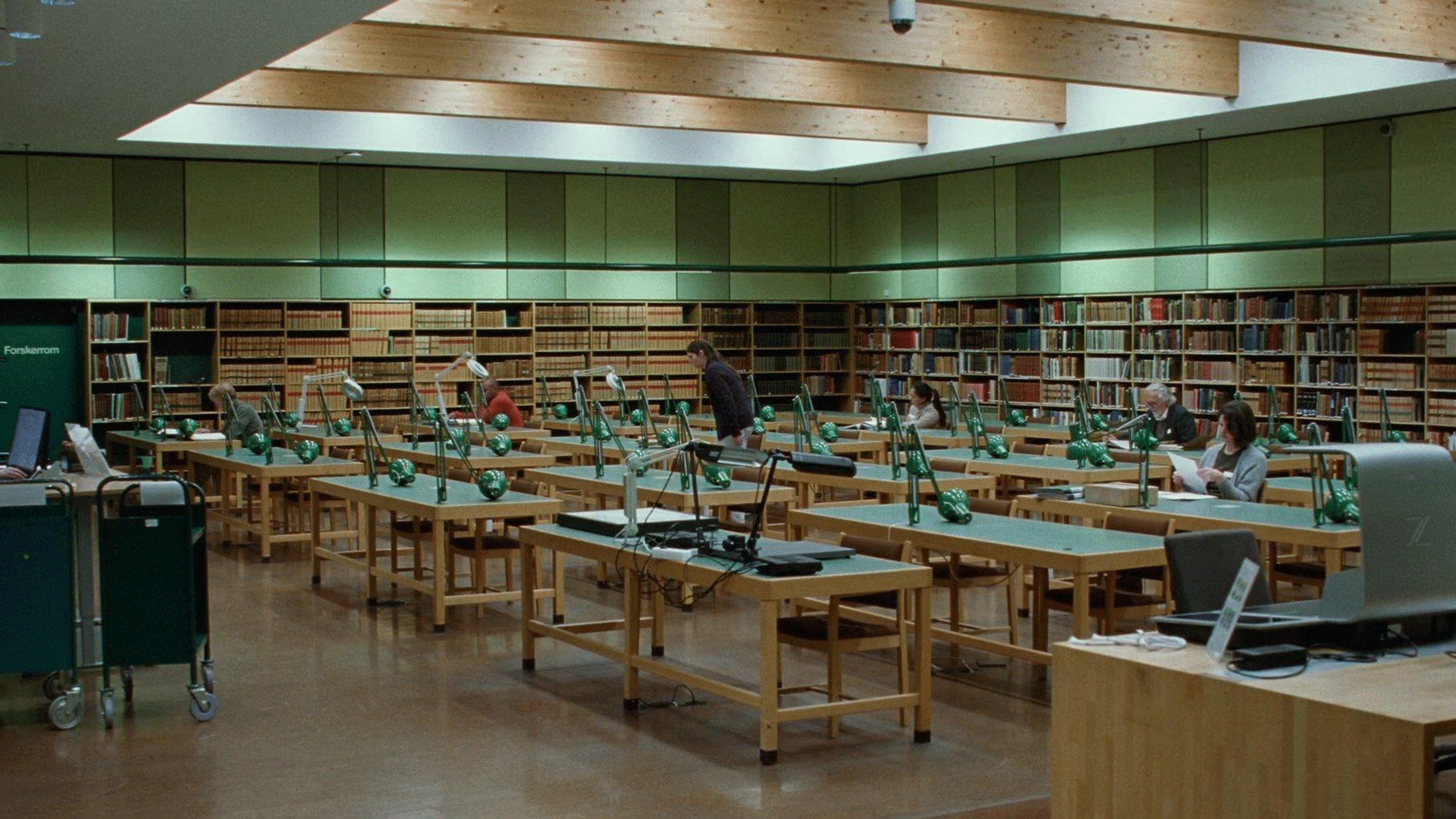
When I tell you that I truly did gasp when this scene appeared as we were watching Sentimental Value…
It’s so visually pleasing, right?! The streamlined rows of desks, the awesome green lights, the overall hushed and orderly vibe. Here, Agnes is researching her family’s history as it pertains to her grandmother and WWII. I think a lot about how history becomes diluted to lore — “lore,” to me, meaning less fact (and how humans feel about the facts) and more jaunty parable or exaggerated (one way or another) drama. In this scene, I was so struck by how a building can store archives and also how a building is an archive. If you’ve seen the movie, then you know a family home serves this purpose as well; the library scene is just a quiet, parallel nod to that. Any building is an archive, but the filmmakers chose subtly striking ones to get our attention. And it all — the buildings and the stuff that happens or exists inside them — becomes lore.
We already know that history’s narrative can be shaped and hidden and unfurled in all sorts of ways. But an archive is a collection of both the physical — ephemera, records, documents — and the more esoteric because, after all, there’s always a human behind a piece of data. You’ve maybe heard that African proverb: “When an elder dies, a library burns to the ground.” (It’s sometimes attributed to Senegal, but I’m not sure there’s a completely clear origin…see: lore!)
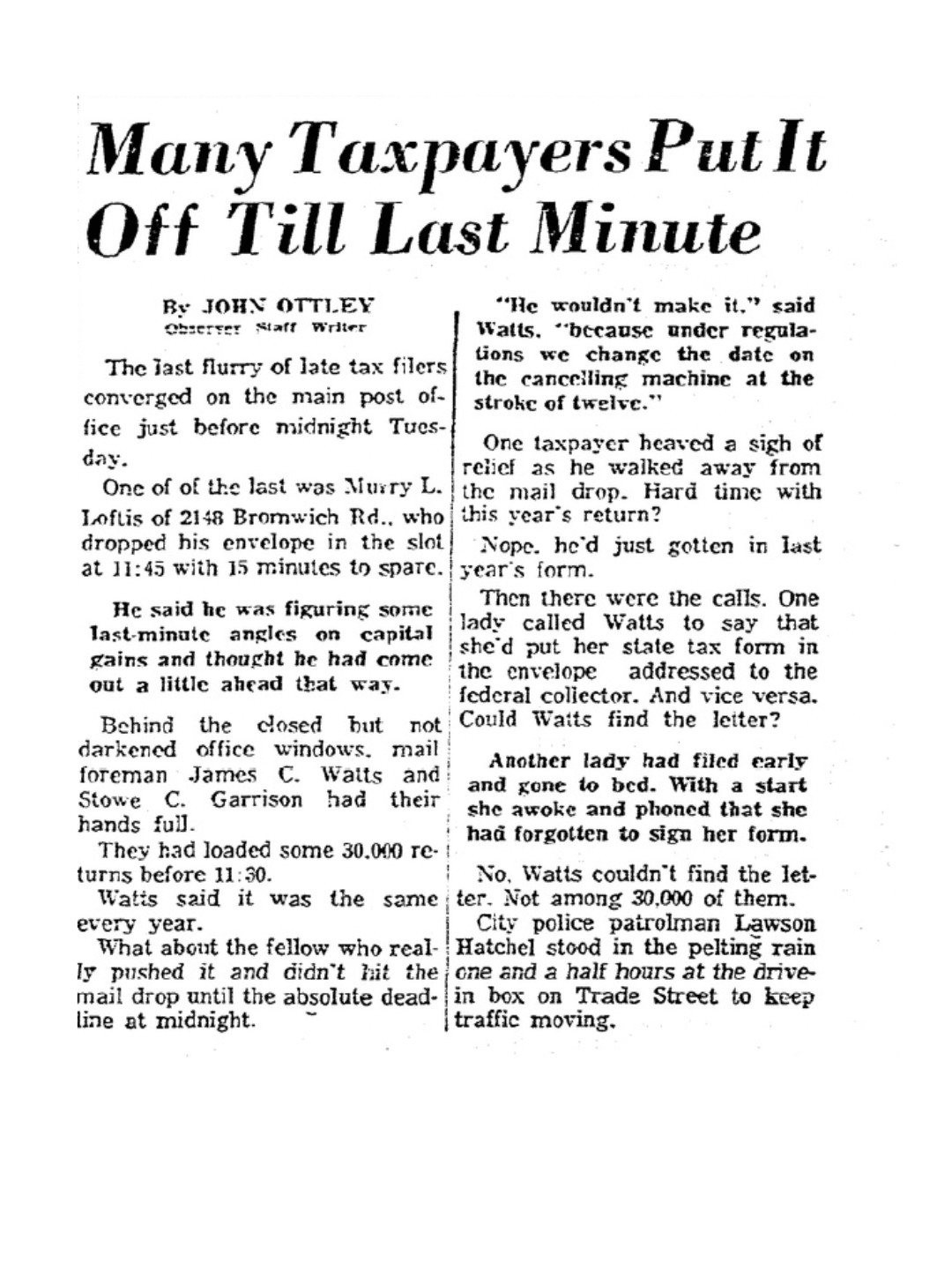
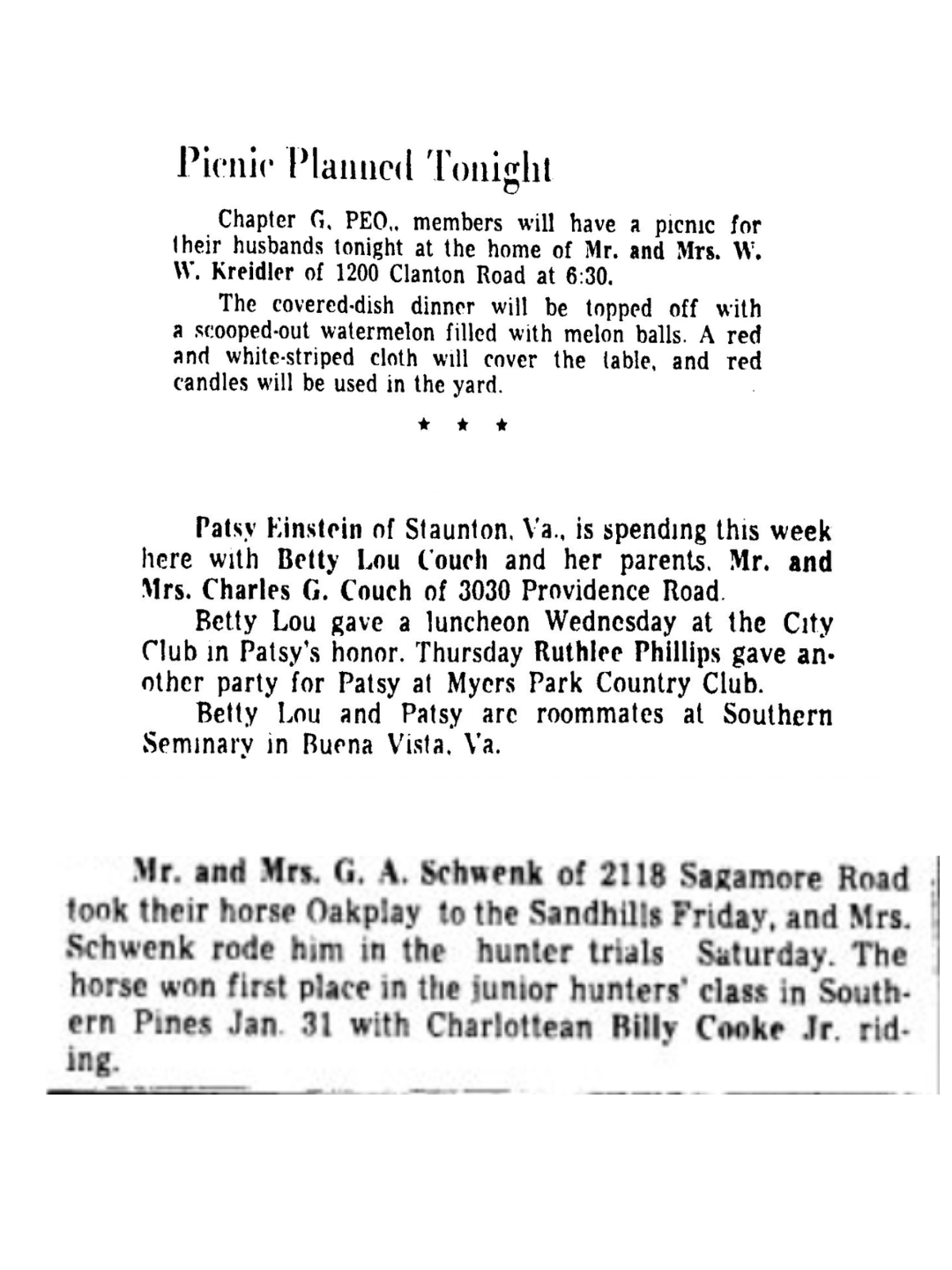
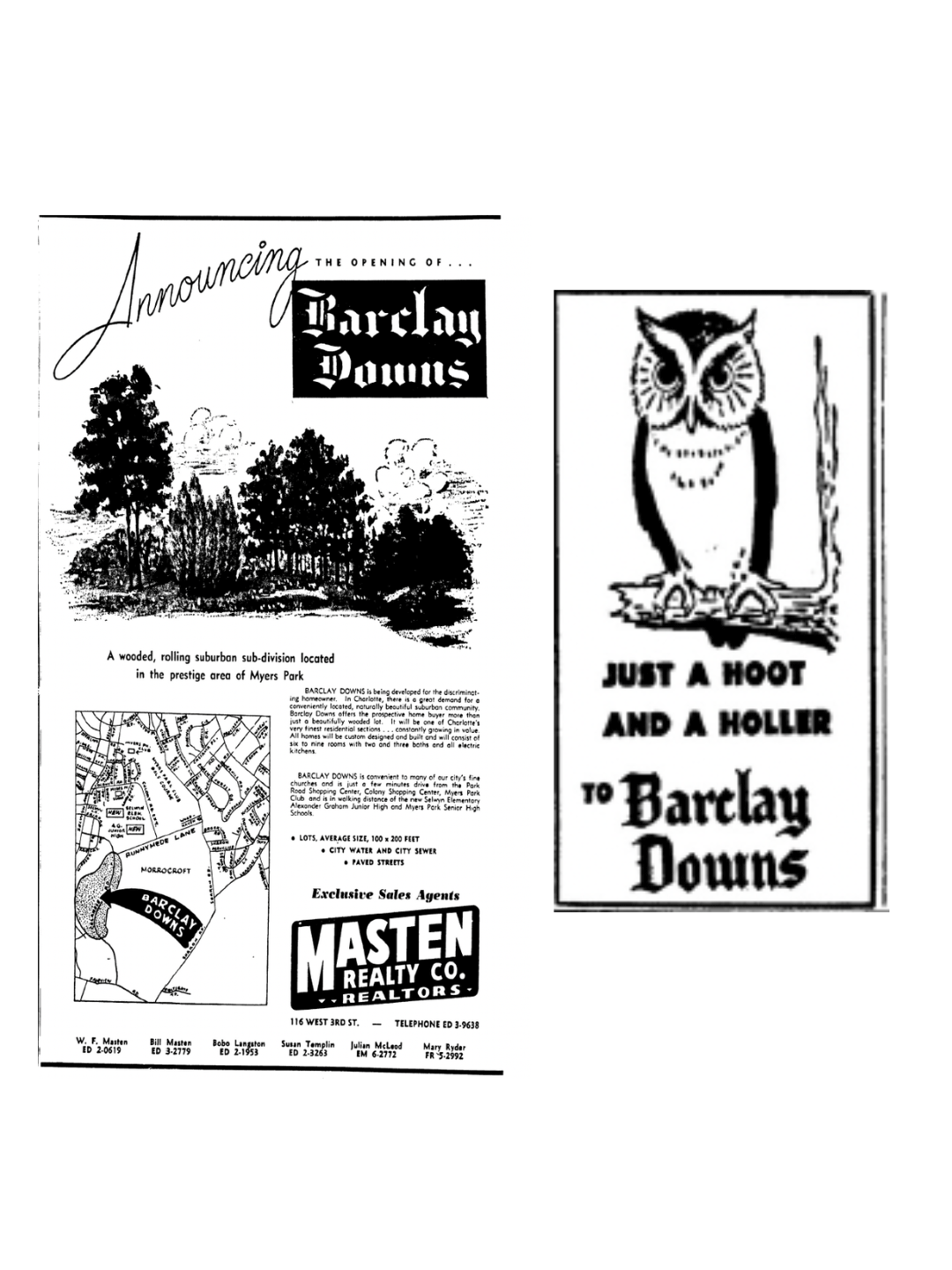
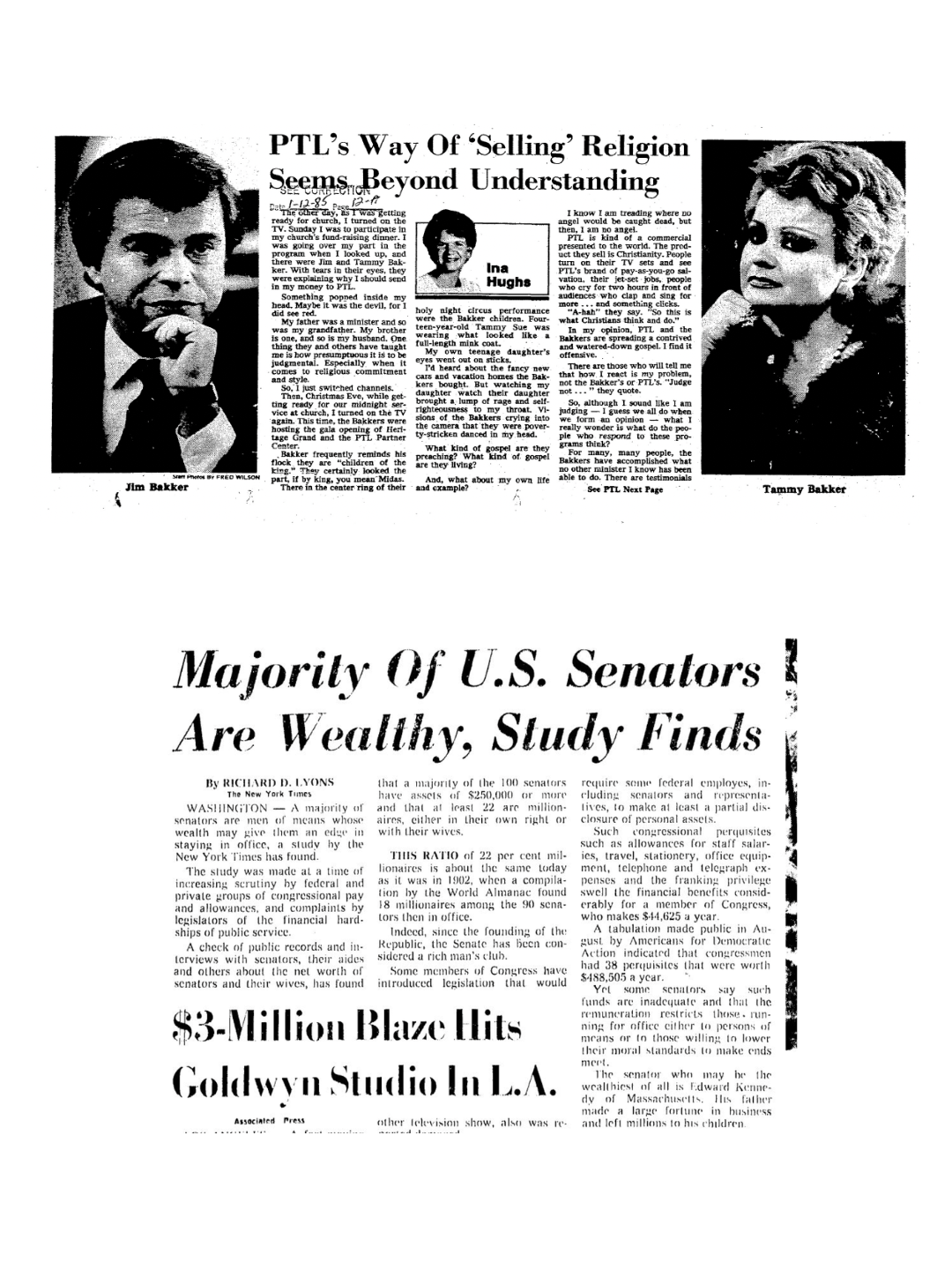
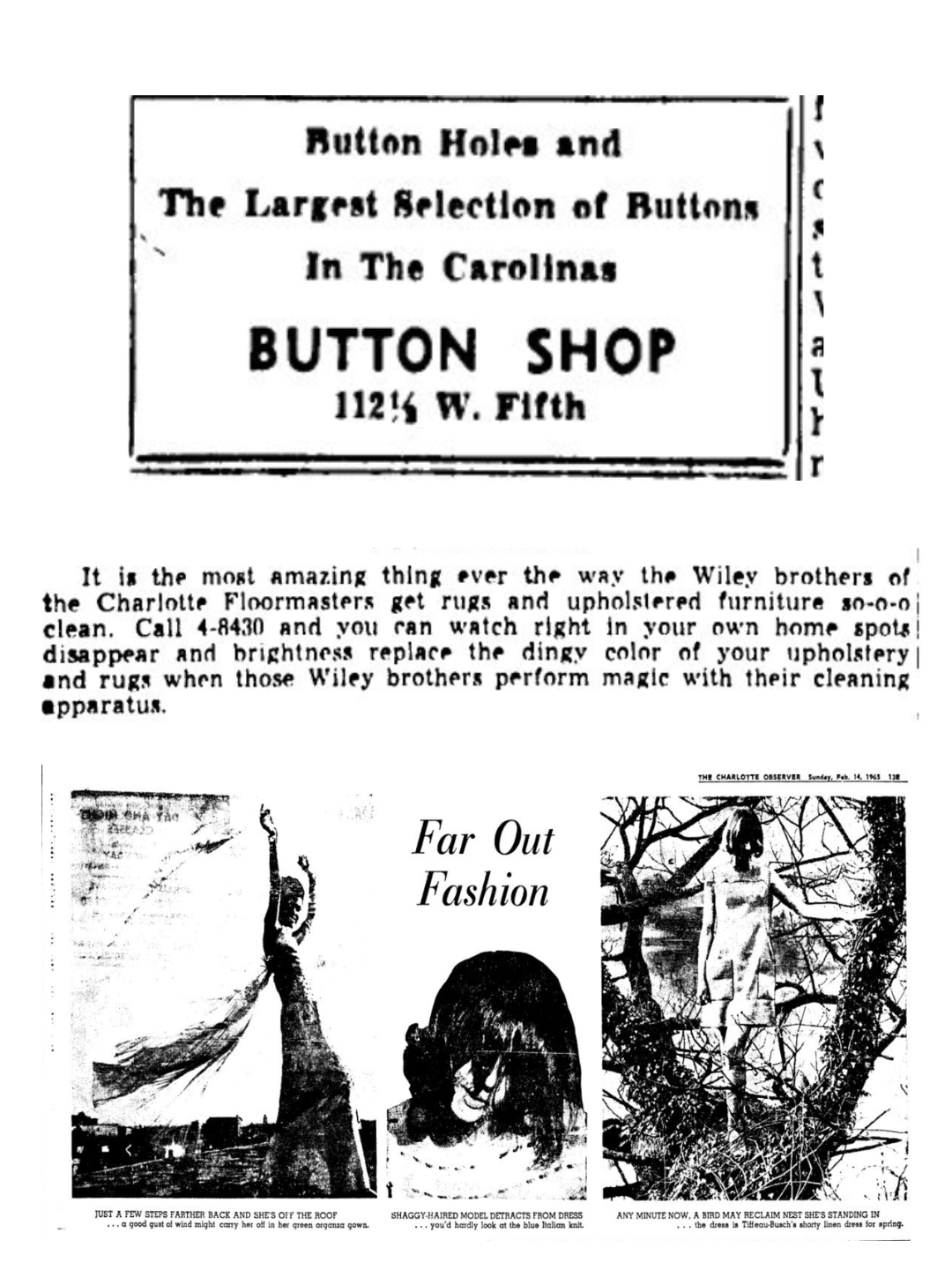
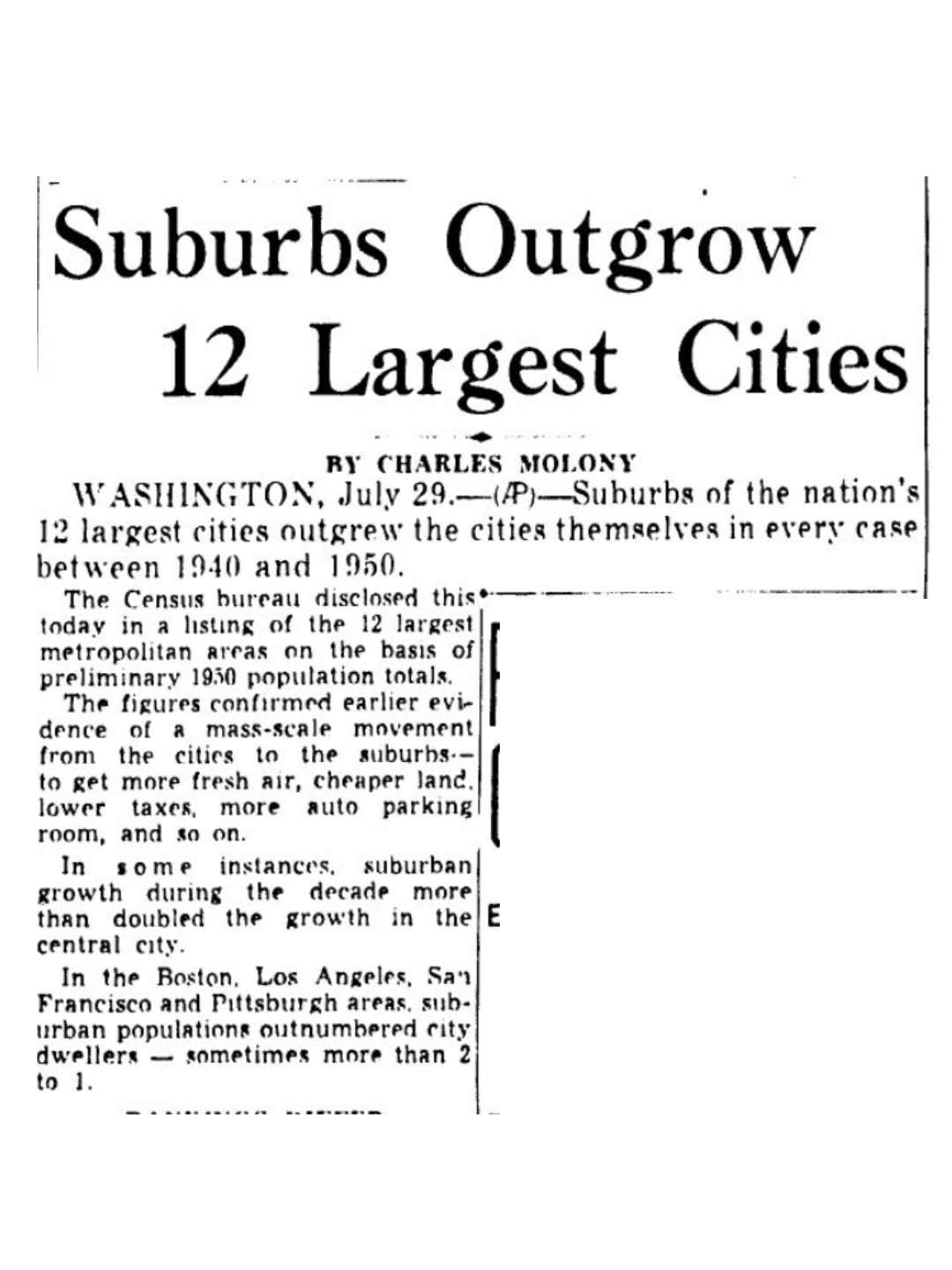
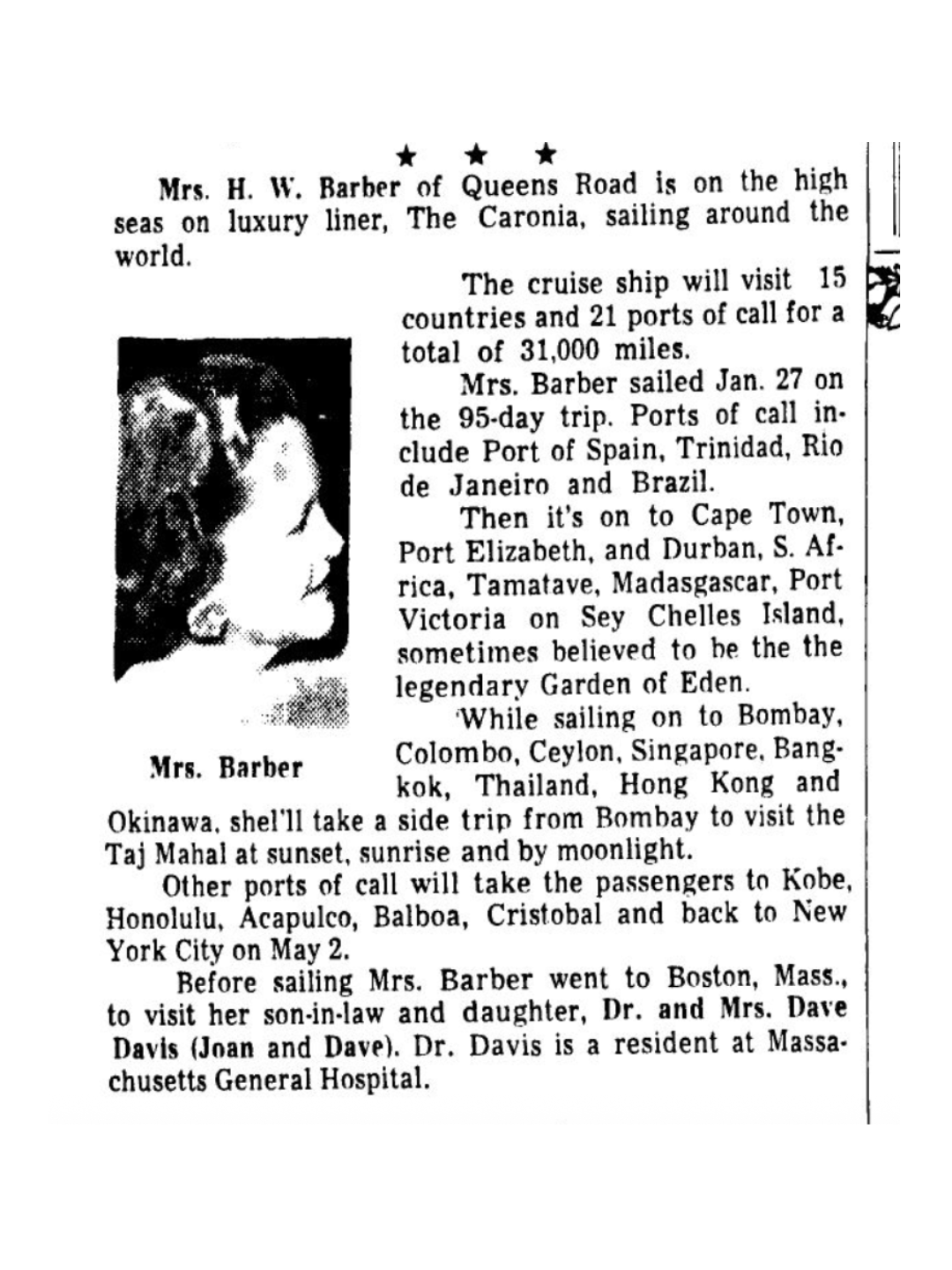
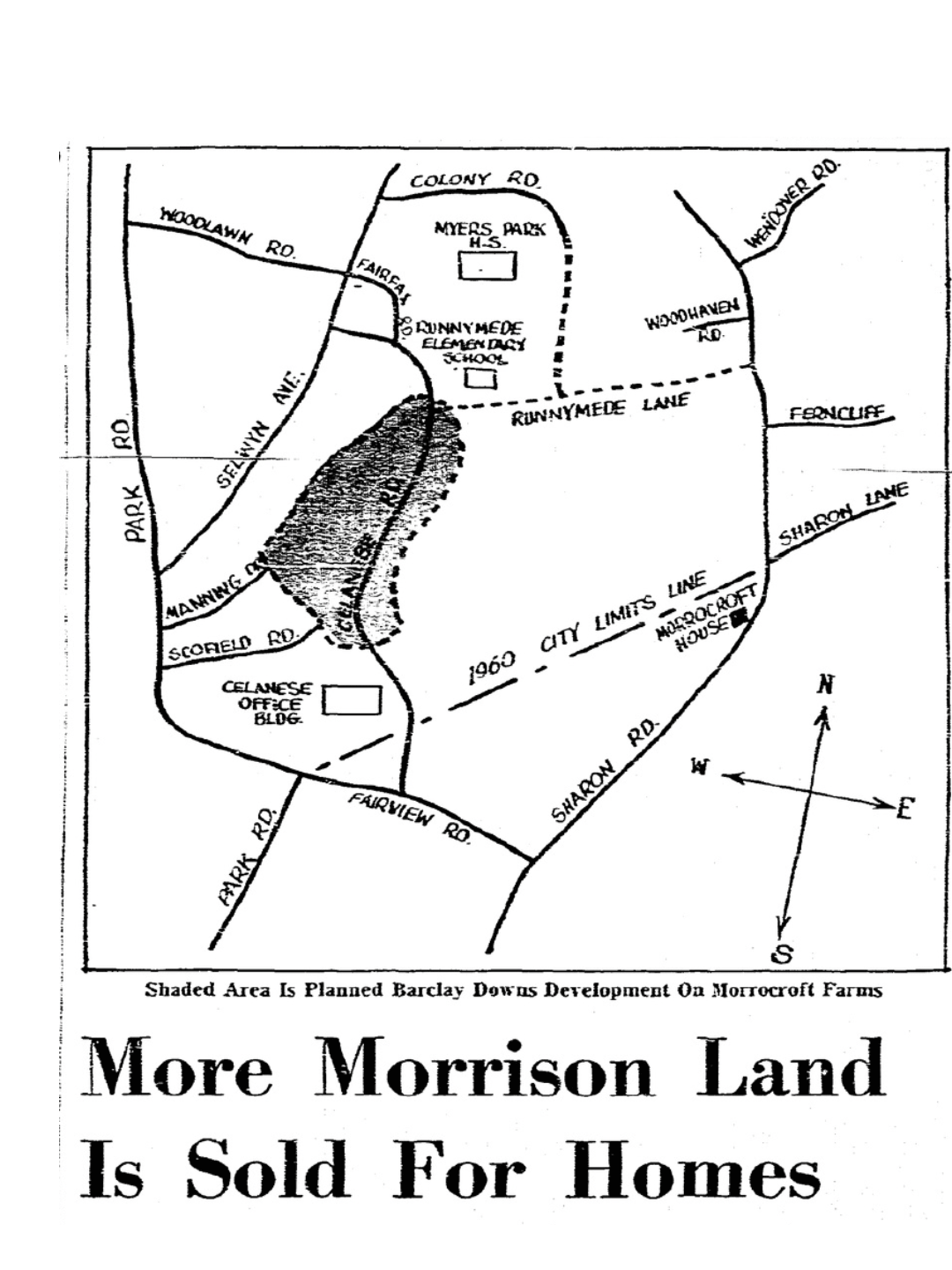
I’ve been spending some time in archives too, although I do it from home thanks to my library card and an internet connection. A friend and I have been noodling on some ideas for a housing-related project, and I’ve started some preliminary brainstorming…which mostly means getting completely sidetracked in the Charlotte Observer archives. But sometimes getting sidetracked reminds you that 1) Some things never change (like the fact that money can fuel institutions), 2) Some things change only in how they’re communicated (if you thought it was social media that brought on the age of personal sharing…), and 3) Maps, fashion, and advertisements are sometimes the best archival info there is. #buttonshop
(PS: New fave acct: @buildings_of_seattle)
originally published on instagram