
The Ten Year Affair
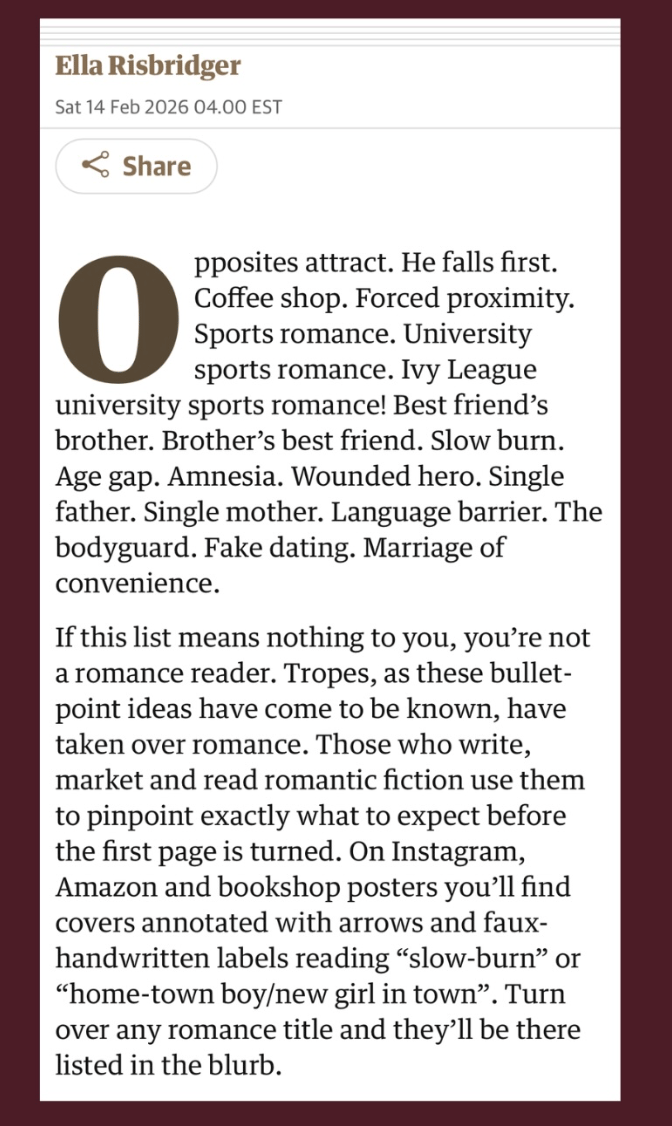
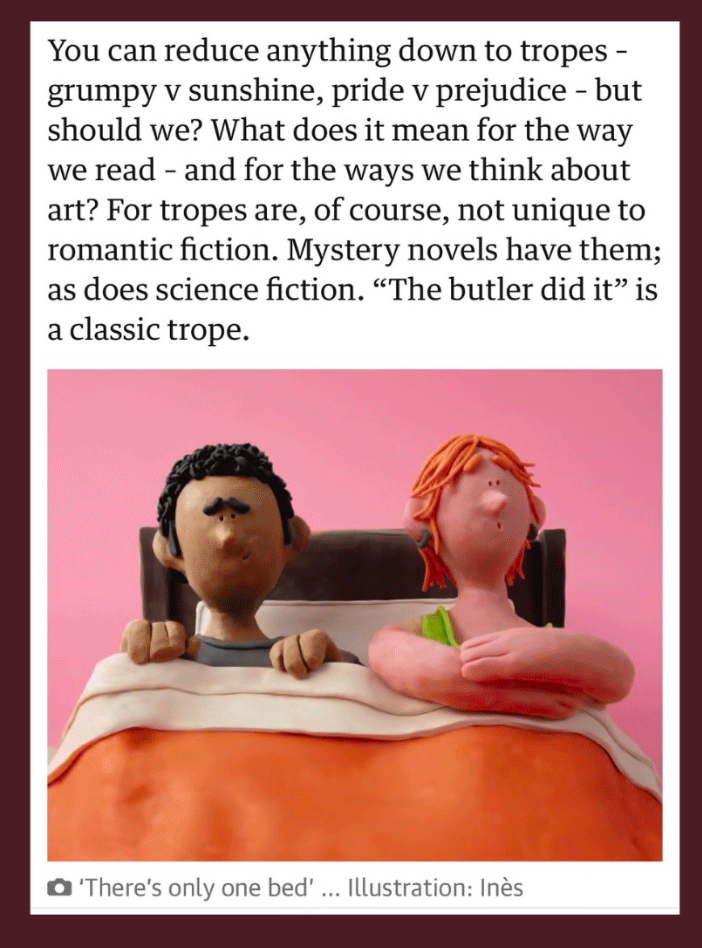
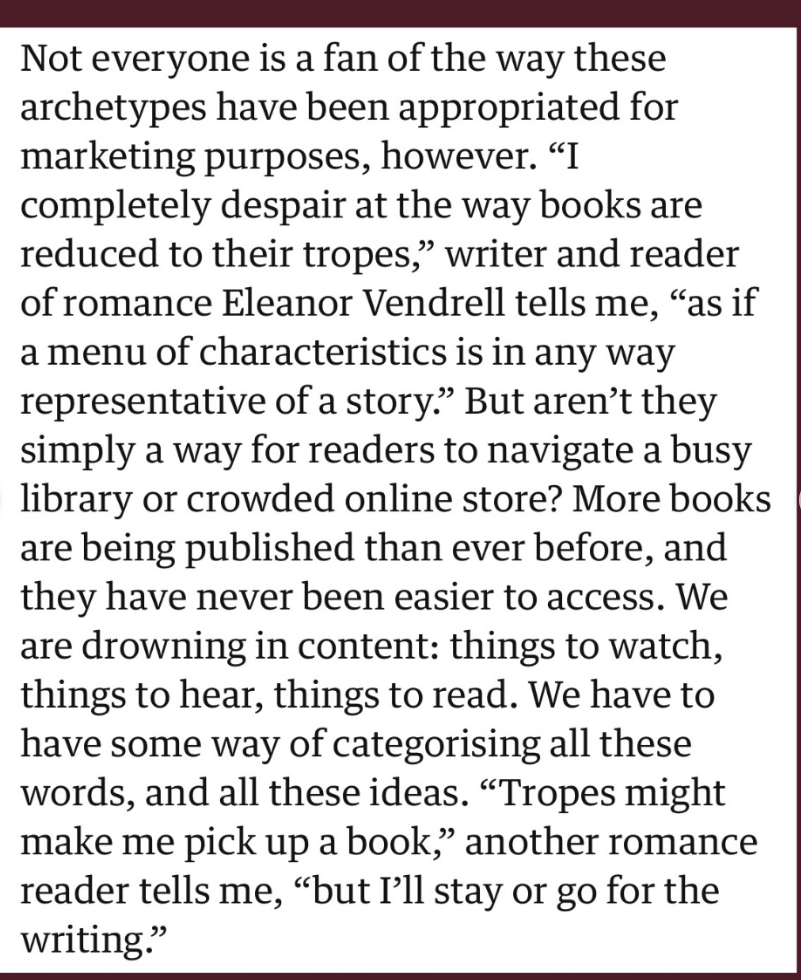
The Guardian recently published a piece about tropes. You know, the prescribed templates that are staples of romance, a genre I don’t read but I’m clued in enough to understand the gist. It’s about marketing and how, when you think of it, everything is a trope. A book publicist is quoted: “As soon as you start thinking about them, you realise you’re being fed them all the time…If you click on a film in a streaming service, for example, it’ll tell you the tropes in the description so you know what to expect before watching.”
Marketers may try, but they will never crack the Amy code. (Surely that is their aim??) For example, sometimes people use “domestic fiction” to describe a subset of literary fiction that is just, like… humans fumbling through day-to-day life in the style of my fave, Carol Shields. And people (or algorithms) will say, well, if you like Carol Shields, then you may like X. Not so fast! A label doesn’t mean I’ll like it.
BUT here’s a trope that algorithms should anti-market to me, meaning I’d like an active removal of mention of this from my one wild and precious life: Brooklynites who decide that — oh no — they have to move out of the city. I can not, I will not … and yet I DID. My curiosity got the best of me + I read The Ten Year Affair. For whatever reason, this novel about a mom and a dad who meet at a playgroup in a Hudson Valley town and their mutual infatuation has gotten a lot of buzz. I think it’s partly for the alternate storylines à la Sliding Doors: There’s the actual timeline where Cora and Sam do nothing and the affair timeline that lives in Cora’s head.
I suppose “alternate storylines” could be considered a trope, so here: Maybe a novel that explores an instantaneous connection between two people and their subsequent confusion about what to do about that is of interest of you. In one timeline, you’re tempted to read The Ten Year Affair. In a different (better) timeline you’d read Tell Me Everything by Elizabeth Strout instead. So many (surface) similarities, but Strout imbues her characters with nuance and tenderness. (And it’s about so much more.)
New trope: Reading one book as a means to recommend a different one?

originally published on instagram